

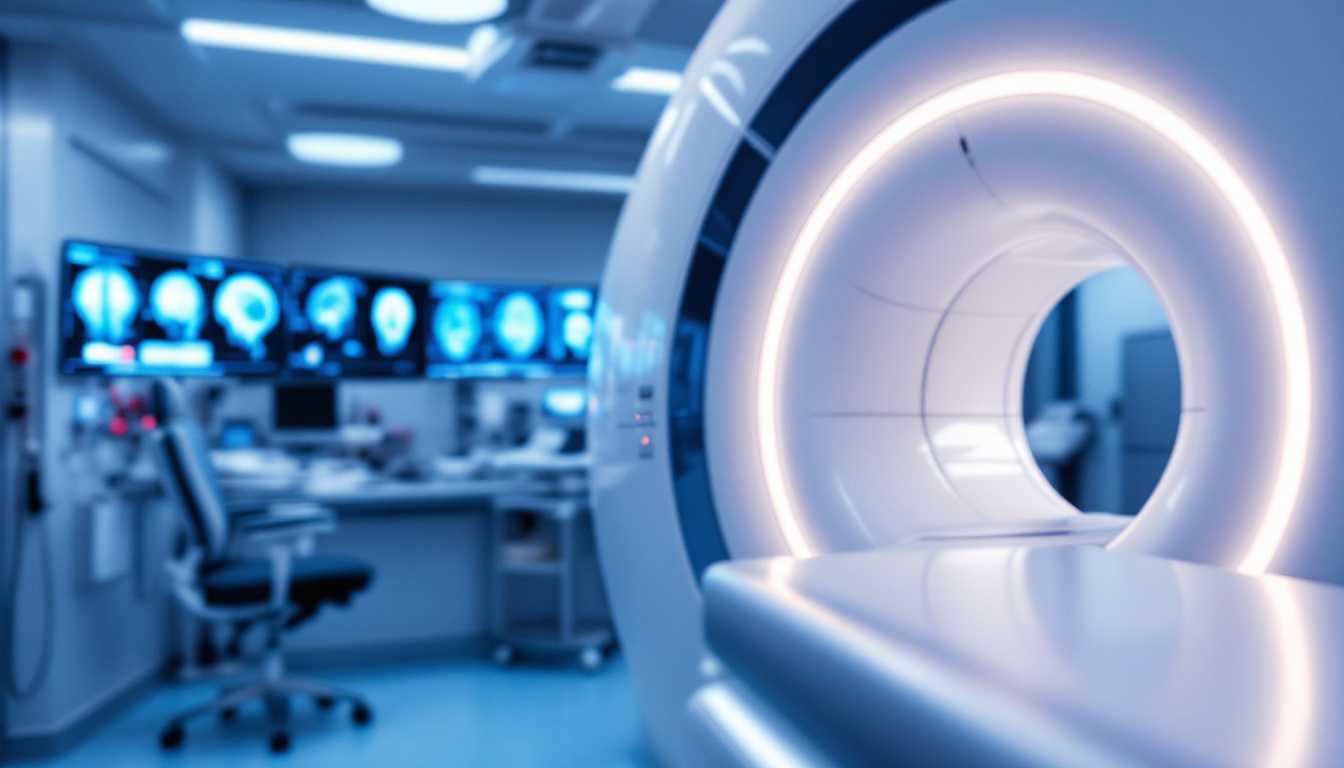
A family man in his forties, identified only as Patient H., was consuming approximately 130 opioid pills every day. He also smoked three packs of cigarettes daily and drank heavily. Doctors at Rambam Health Care Campus in Haifa, Israel, pointed MRI-guided ultrasound waves at a specific region of his brain. The procedure took about 20 minutes.
Within one week, his drug test came back clean. His craving level: zero out of ten.
The treatment, developed by Israeli firm Insightec, targets the nucleus accumbens — the brain's pleasure and reward center — using focused sound waves to modulate electrical activity. No surgery. No anesthesia. No cutting. Patient H. didn't just kick opioids. He reduced his smoking from three packs a day to near-zero and his alcohol cravings disappeared. "He feels like he got his life back," his doctors said.
The numbers on opioid addiction in America make this breakthrough feel overdue. In 2023, over 110,000 Americans died from overdoses. That number dropped to roughly 75,000 in 2024 — still a staggering body count. The epidemic costs the country an estimated $60 billion annually. Traditional tapering programs, the best tool we've had, succeed about 5% of the time.
Five percent. That means 95 out of every 100 people who try to get clean the conventional way don't make it. A 20-minute ultrasound session with no incisions just outperformed decades of addiction medicine in a single patient. Researchers at Rambam say the technology could also apply to OCD, PTSD, severe depression, eating disorders, Alzheimer's, and Parkinson's disease.
The public health establishment has spent years arguing that the compassionate response to addiction is harm reduction — safe injection sites, free needles, decriminalized possession. Cities like San Francisco and Portland built entire policy frameworks around the idea that you manage addiction rather than cure it. The results have been open-air drug markets and overdose numbers that make warzone casualty reports look modest.
Meanwhile, a team in Haifa was asking a different question: what if you could turn off the craving at the source? Not manage it. Not reduce it. Eliminate it. Patient H. went from 130 pills a day to zero in a week. The nucleus accumbens — the same brain structure that drives compulsive drug-seeking behavior — was recalibrated with sound waves in the time it takes to eat lunch.
This is one patient. The research is early. Scaling a treatment from a single case study at Rambam Health Care Campus to widespread clinical use takes years of trials, regulatory review, and replication. Nobody should pretend we're at the finish line.
But 5% was the finish line. That was the best we had. A procedure that takes 20 minutes, requires no surgery, and left a man who consumed 130 pills a day with a craving score of zero just moved the starting line somewhere nobody expected it to be.