
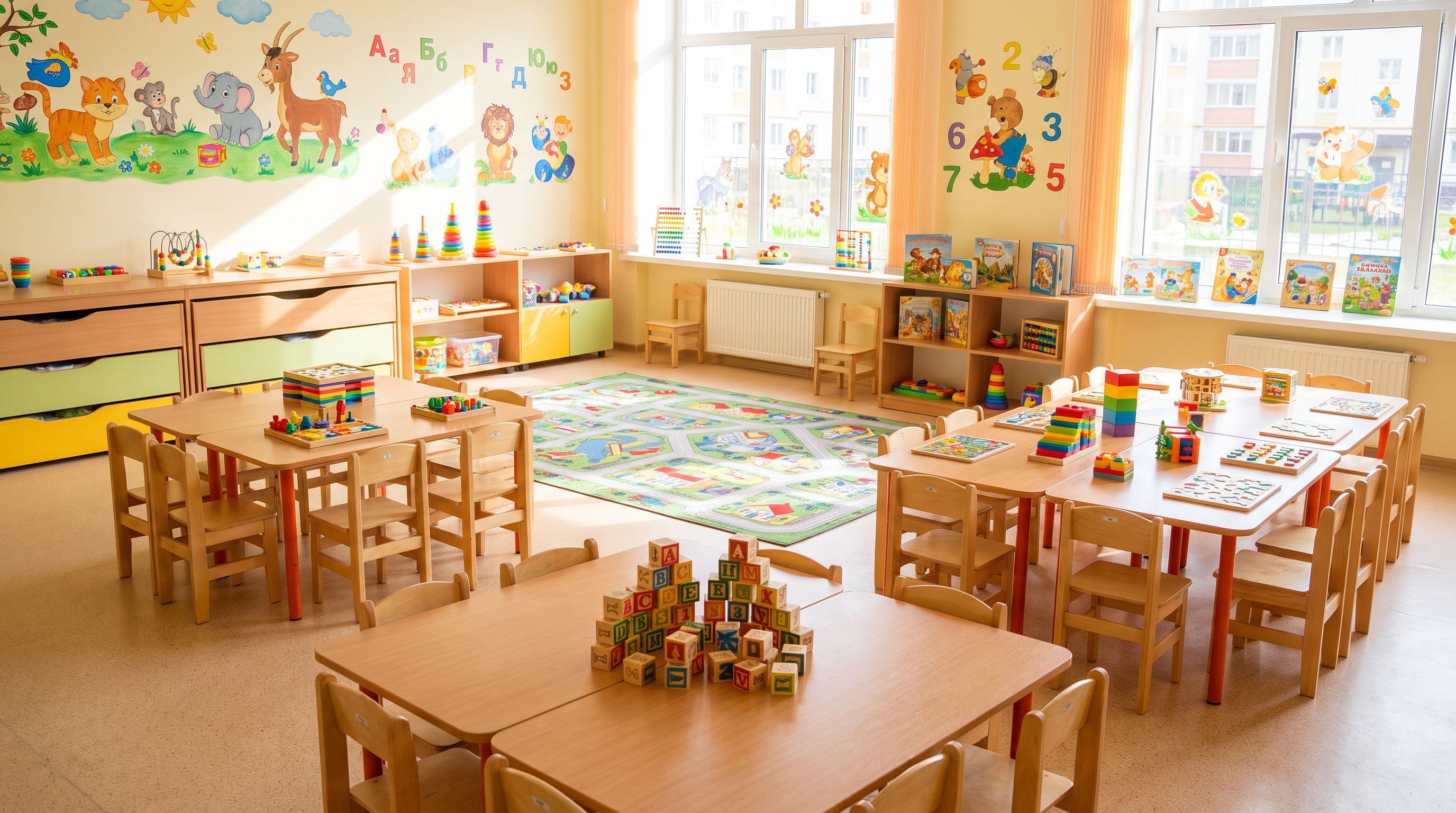
The dolls are named Sam, Rory, Avery, and Parker. They come with over 100 interchangeable clothing pieces. They also come with removable internal and external genitalia. They're designed for four-year-olds.
Welcome to Tim Walz's Minnesota.
The University of Minnesota Medical School, through its Eli Coleman Institute for Sexual and Gender Health, developed what it calls "MyGender Dolls" — a line of anatomical dolls with swappable genitalia meant to teach preschoolers about gender identity. The dolls are scheduled to debut in Minnesota classrooms this fall.
Ben Parchem, Ph.D., a postdoctoral fellow at the University of Minnesota, described the dolls' purpose with the kind of clinical detachment that makes your skin crawl. The goal, Parchem said, is to help children "realize all the different options that exist for who they can be — regardless of their body parts."
The dollars are for four-year-olds!
The MyGender Dolls website describes the product line as "built to help children tell their stories and see themselves represented." This is not a toy. This is an ideology delivery system with a $0.00 price tag for the school districts receiving them — because taxpayers already covered the tab through the state university system.
The dolls were developed under the umbrella of the Eli Coleman Institute, named for a prominent figure in sexual health research at the University of Minnesota Medical School. The institute doesn't hide its mission. It's right there in the name. But attaching that mission to classroom materials for children who still need help tying their shoes is a different conversation entirely.
Governor Walz, who ran for Vice President in 2024 partly on his record as a former teacher, has not distanced himself from the program. His administration has backed the broader push for gender-inclusive curricula in Minnesota schools. The dolls are just the latest — and most tangible — product of that effort.
Parents in Minnesota didn't vote for anatomical dolls in pre-K classrooms. They voted for roads and schools and police. But the university system that their taxes fund decided those four-year-olds needed to explore their gender options during playtime. Nobody asked permission. Nobody held a hearing. The dolls just showed up on a university website with a fall launch date and a mission statement about "representation."
Four-year-olds represent one thing: children who trust the adults in the room to act like adults.
The classrooms rolling these out this fall will have kids who can't read yet, learning that body parts are interchangeable accessories. The adults who designed this will call it "inclusive." The parents who find out about it — most of them after the fact — will call it something else entirely.