
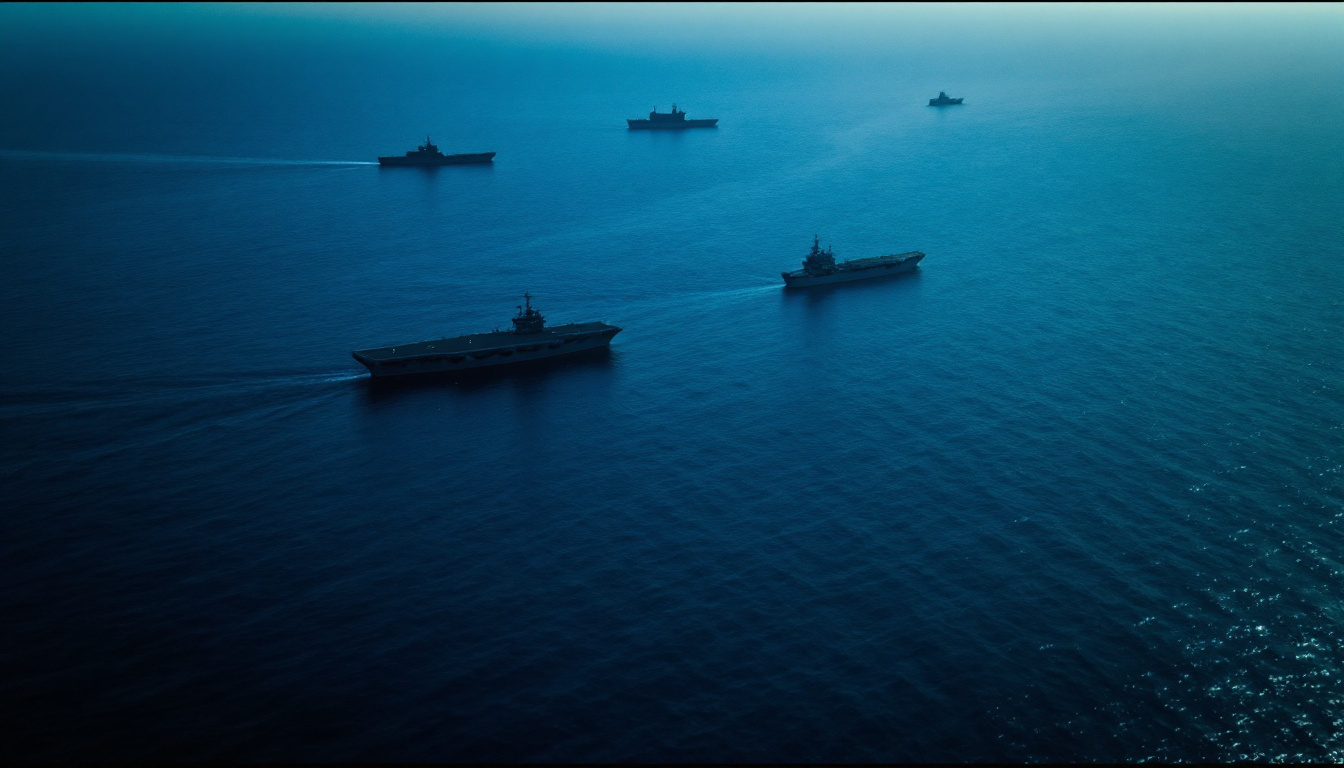
Twenty U.S. warships are parked in the Strait of Hormuz right now. The Navy has cleared 80 Iranian sea mines from international shipping lanes over the past four months. And as of this weekend, Admiral Brad Cooper, Commander of U.S. Central Command, says the strait is "fully open" and under American control.
Iran's response? They're going to announce a "restricted prohibited zone."
Good luck with that.
Mohsen Rezaei, Secretary of Iran's Supreme National Security Council, went on state media to declare that "in the coming days and weeks, we're going to announce a restricted prohibited zone" in the strait. He also claimed that "Washington has received a clear warning from Iran's new missiles" and that Iran's "operational posture toward U.S. warships and bases has been fundamentally recalibrated."
That's a lot of words for a country that lost control of the most important waterway on the planet.
Here's what actually happened, as Breitbart reported Sunday. The U.S. Navy reimposed a full naval blockade in mid-July. Since then, American forces have redirected 94 commercial vessels through safe corridors in the strait, with 92 redirected in a single day alone. Admiral Cooper confirmed the mine-clearing operation has restored shipping lanes, stating, "We have successfully cleared sea mines in the Strait's international shipping lanes. Today, international shipping lanes are open and momentum is building."
Nine million barrels of oil move through the Strait of Hormuz every day. Energy Secretary Chris Wright confirmed that flows have recovered to "two-thirds or more" of pre-conflict levels — and they're climbing. That's not just a military operation. That's the global energy supply being held open by American steel.
Acting Iranian Defense Minister Majid Ibn Reza tried the tough-guy routine, warning that "the Americans believe that we do not have the capability and technology to target the warships." Iranian Parliament Speaker Mohammad Bagher Ghalibaf added his own contribution: "Strike our assets and you get struck."
Meanwhile, Navy SEALs are operating in those waters. CENTCOM has 20 warships on station. And a U.S. official told reporters flatly: "The Iranians have lost control over the strait. Now the U.S. controls it."
The contrast with recent history is hard to miss. We spent years watching an American foreign policy that treated Iran like a negotiating partner deserving of respect — pallets of cash, nuclear deals that amounted to permission slips, diplomatic hand-wringing every time the IRGC tested a boundary. The Islamic Revolutionary Guard Corps mined international shipping lanes, and the previous posture was to wring hands about "escalation."
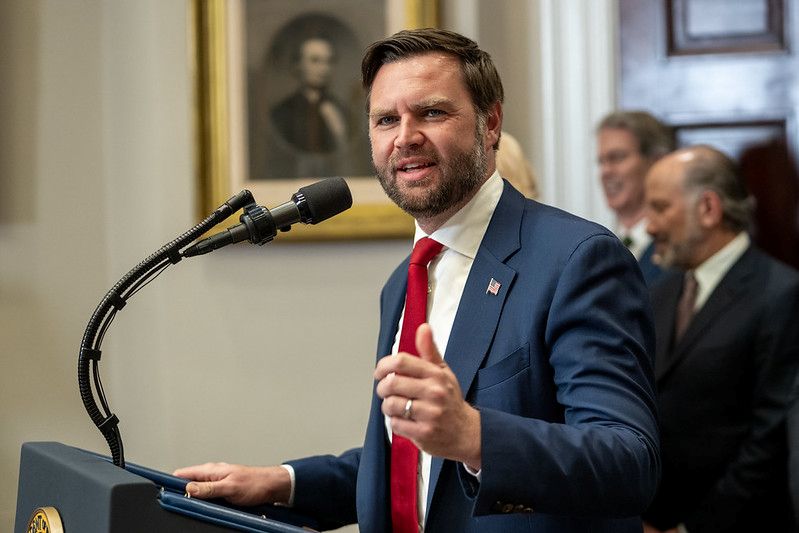
This posture is different. War Secretary Pete Hegseth and the Trump administration aren't negotiating over the strait. They're not asking Iran's permission to use it. They cleared the mines, parked the fleet, and told Tehran the conversation is over.
Iran can announce whatever "exclusion zone" it wants. The 20 warships in the Persian Gulf aren't going to adhere to their toothless announcement.
When 9 million barrels a day flow through a chokepoint and one country clears the mines while the other laid them, the word "control" only applies to one side.