
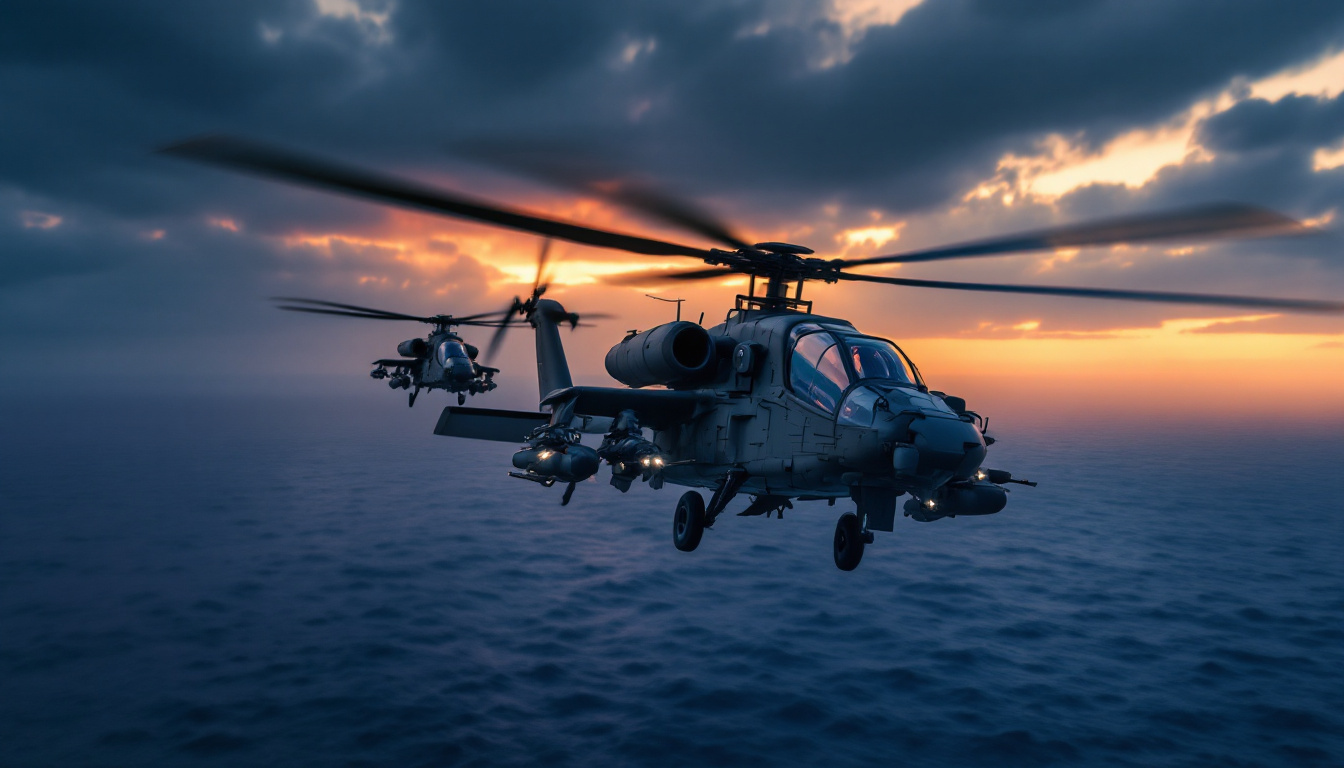
On October 6, two U.S. Marine Corps Apache helicopters fired missiles into an Iranian-affiliated dhow in the Gulf of Oman. The vessel had been conducting surveillance operations targeting American Navy ships. U.S. Central Command confirmed the crew was evacuated safely before the ship was destroyed.
The dhow is at the bottom of the Gulf. The crew is alive. The Navy is fine.
CENTCOM's statement, reported by The Gateway Pundit, confirmed the Iranian vessel was linked to Iran's Islamic Revolutionary Guard Corps. The IRGC had been running targeting operations against U.S. naval assets in the region for seven months before the engagement. Seven months of tracking, surveilling, and probing American positions.
Two Apaches. Missiles. One less dhow.
The engagement comes in the middle of an escalation cycle that Iran keeps pretending isn't happening. The same week CENTCOM sank the surveillance vessel, Iran-backed Houthis launched a missile attack on King Khalid International Airport in Saudi Arabia that killed 12 people and wounded hundreds. The airport shut down operations entirely. That's the neighborhood the IRGC was running surveillance ops in — one where their proxies are actively killing civilians with ballistic weapons.
The operational detail worth noting is what didn't happen. The U.S. didn't issue a warning. Didn't convene a UN session. Didn't send a strongly worded letter through diplomatic channels asking the IRGC to please stop following our destroyers around the Gulf of Oman. They identified the threat, scrambled the Apaches, evacuated the crew, and put the vessel on the ocean floor. The whole sequence says more about current rules of engagement than any Pentagon briefing could.
Some will frame this as provocation — the U.S. escalating tensions by destroying an Iranian asset in international waters. That framing requires you to ignore seven months of IRGC surveillance targeting American ships, a simultaneous Houthi missile strike that killed a dozen people at a civilian airport, and the fact that the crew was evacuated before the ship was sunk. If that's escalation, it's the most restrained escalation in the history of naval warfare.
The IRGC spent seven months watching our Navy. They now have one fewer ship to watch with.