
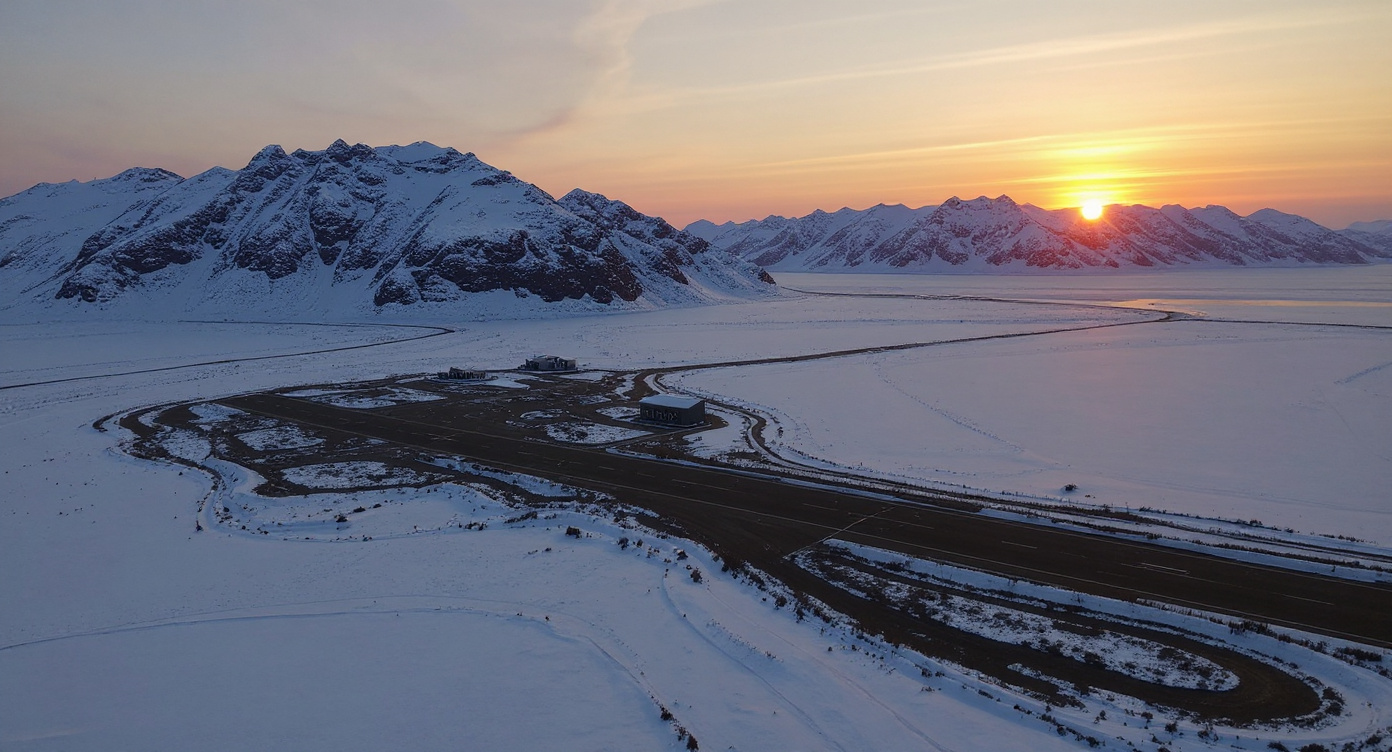
Narsarsuaq, Greenland — population: a few dozen. The last time Americans were stationed there, Eisenhower was president and the base was called Bluie West One. On Tuesday, U.S. military personnel will be heading back.
The same media establishment that mocked President Trump for wanting to buy Greenland is now reporting that he just secured permanent American military control over the island's security. Art of the Deal, Arctic edition.
The NY Post reported Monday that the U.S. will reopen two Cold War-era military installations in Greenland under a historic agreement set to be signed at the United Nations General Assembly in New York on September 22 at 10:30 a.m. ET. The deal, brokered between the United States, Denmark, and Greenland, gives America what Trump himself described as "permanent control over security, and all other needs" on the island.
The two sites are Narsarsuaq in southern Greenland — home to the former Bluie West One base that the U.S. closed in the 1950s — and Mestersvig on the east coast, currently occupied by the Sirius Dog Sled Patrol, a Danish special forces unit. Both will now host American military operations.
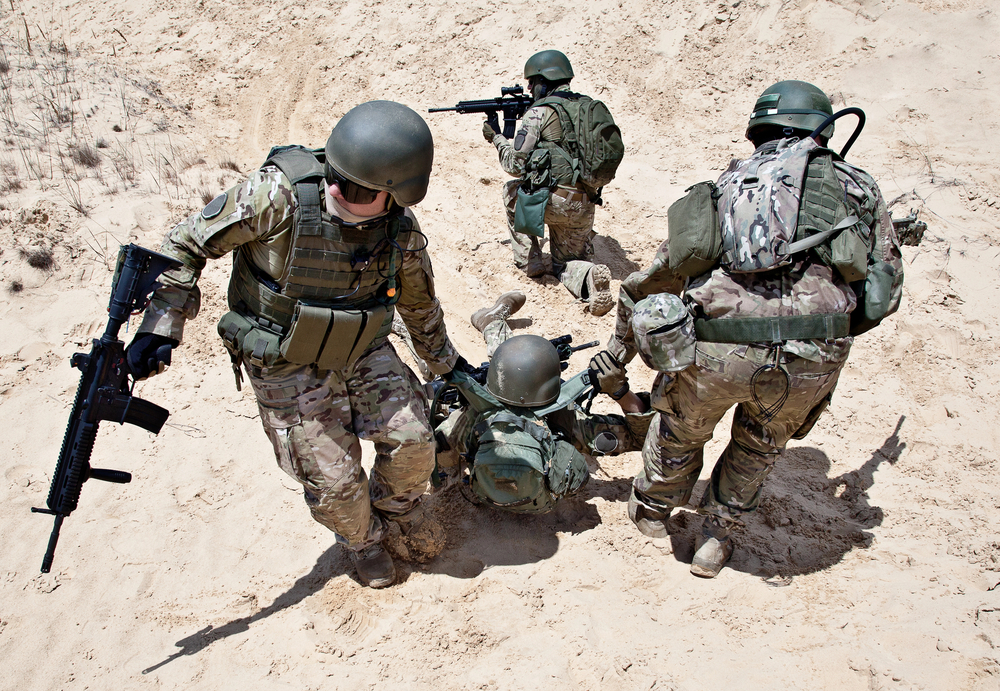
During the Cold War, the U.S. maintained 17 military installations and more than 10,000 personnel across Greenland. That footprint shrank to a single facility — Pituffik Space Base, staffed by roughly 150 U.S. military personnel. Tuesday's agreement triples the number of American bases on the island.
A White House spokesperson said the deal would "secure and defend the security of Greenland and the United States." The agreement comes as both Russia and China have escalated their Arctic ambitions, with shipping lanes, mineral rights, and strategic positioning all in play across the rapidly changing northern frontier.
Remember the coverage. Trump floated acquiring Greenland in 2019, and the entire political press corps treated it like a punchline. Late-night hosts did bits. Foreign policy experts called it absurd. Denmark's prime minister called it "an absurd discussion." The Washington consensus was unanimous: this was the ramblings of a president who didn't understand geopolitics.
He didn't buy the island. He did something the foreign policy establishment never considered — he negotiated permanent military control without purchasing a single acre. The U.S. gets the strategic positioning, the Arctic defense capability, and the geopolitical leverage. Denmark keeps the administrative headaches.
The timing matters. The signing at the UN General Assembly puts every world leader in the room when this deal goes official. Russia and China get to watch the U.S. triple its Arctic military footprint in real time, on the biggest diplomatic stage on Earth.
From 150 personnel at one base to three installations across the island. From a punchline to a permanent security arrangement signed at the United Nations.