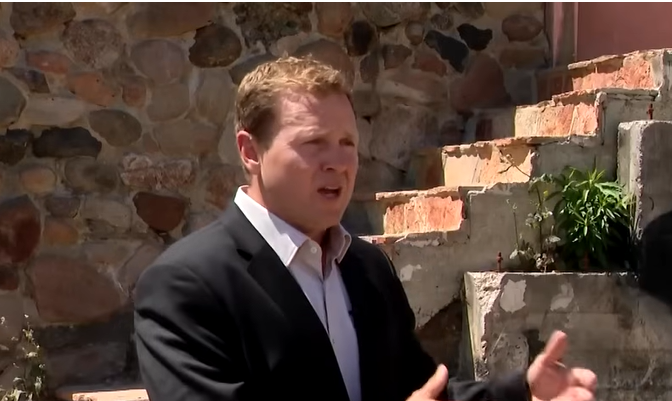

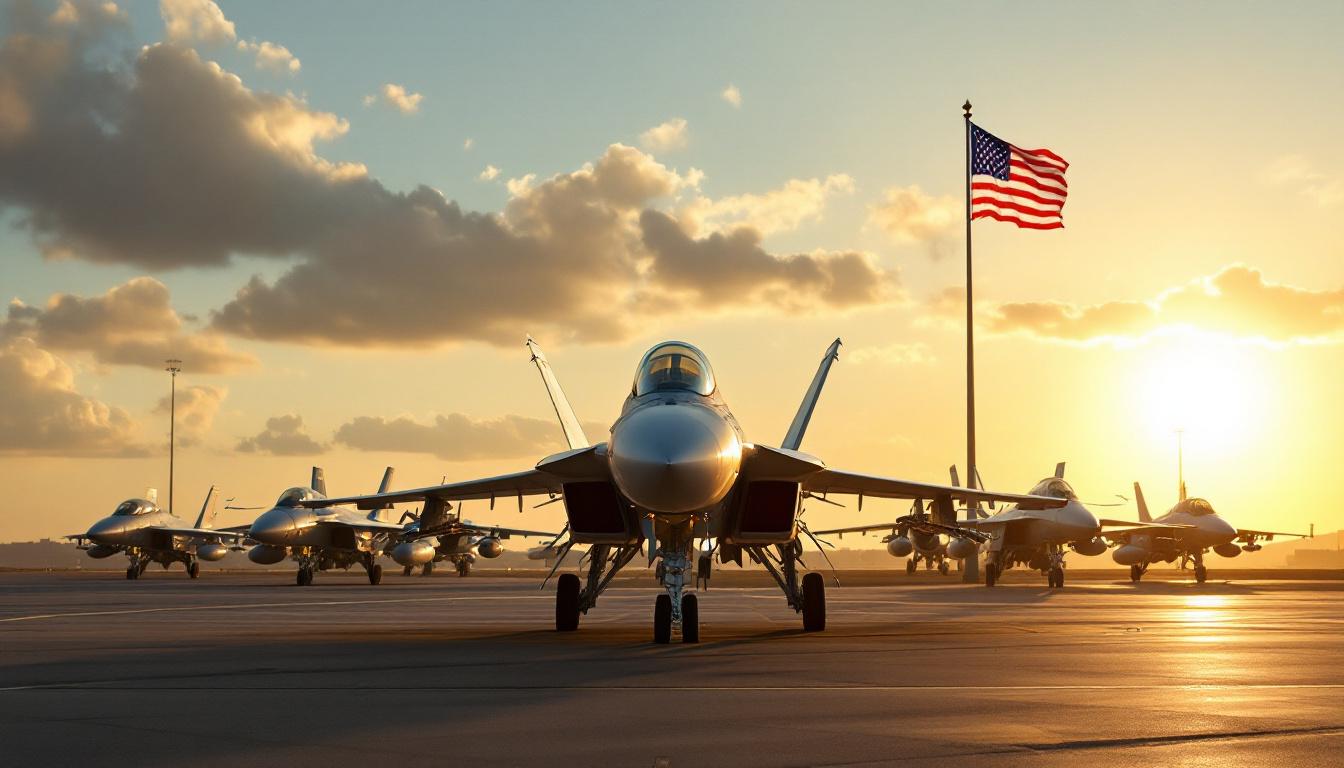
The United States Air Force is ripping up the playbook on basic military training and rebuilding it from scratch — this time with an actual focus on, you know, war. The overhaul, led by Maj. Gen. Matthew Davidson, Commander of 2nd Air Force, is ditching the old "drill pad-centric" model in favor of something the brass is calling "airminded" training, and for the first time in a long time, it actually sounds like the military remembered what it's supposed to be doing.
Imagine that. A branch of the United States military deciding its recruits should learn about airpower instead of whatever sensitivity seminar was on the schedule. Groundbreaking stuff.
Here's the deal. Davidson looked at what basic training was producing and didn't like what he saw. Recruits were graduating from Joint Base San Antonio-Lackland in Texas without any real connection to the broader Air Force mission. They could march in a straight line and fold a bedsheet into a perfect square, but ask them how their job fit into defending American airpower and you'd get a blank stare. Davidson was blunt about the problem, telling Military.com, "We didn't have clear objectives to define what it was."
So he blew it up.
The new model — dubbed "BMT 3.0" after a delay for curriculum development — is built on a four-layer framework. Layer one: core values. Layer two: military professionalism. Layer three: airmindedness. Layer four: specialty skills. The first three layers now make up basic training itself, with technical expertise developed later in the pipeline. The whole point is to build an identity around the mission before you ever touch a wrench or a keyboard.
And what does "airminded" actually mean? Davidson defines it as a mindset built around understanding the Air Force mission and taking ownership of your role in "defending, operating, generating and sustaining airpower." In English: every single airman, whether they're a pilot or a cook, needs to understand that they exist to project American air dominance. Period.
The biggest visible change is moving training off the drill pad and onto the airfield. Recruits now get increased exposure to actual aircraft and operational scenarios instead of spending their entire basic training experience inside a concrete box doing push-ups. The goal is to make the connection between "you signed up" and "here's why it matters" happen on day one, not six months into a deployment.
Davidson says the results speak for themselves. "These kids are lighting up," he told Military.com, describing the response from recruits going through the revamped program.
Now, naturally, there are critics. Because of course there are. Every time someone tries to fix something in the military, the old guard shows up to explain why the thing that was broken was actually perfect. Davidson addressed that head-on: "People know what they went through, and they think that's what right looks like." Translation — just because you survived a bad system doesn't mean we should keep inflicting it on the next generation.
Here's the part that matters most. The Air Force projects that within three years, one-third of the entire force will have gone through BMT 3.0. That's not a pilot program buried in some PowerPoint presentation nobody reads. That's a generational shift in how America builds its airmen.
We spent years watching the Pentagon chase every progressive fad that blew through Washington. Pronoun briefings. Diversity quotas. Climate change as a "national security threat." Meanwhile, China was building hypersonic missiles and Russia was grinding through Ukraine. It's nice — refreshing, even — to see at least one corner of the Department of Defense remember that the job is to win wars, not win awards from the Human Rights Campaign.
Maj. Gen. Davidson isn't getting a parade for this. He's not going viral on social media. He's just quietly rebuilding the foundation of how we train the men and women who fly, maintain, and fight with the most powerful air force on the planet.
That used to be the bare minimum. Now it feels like a revolution.