
Reuters posted "Far-right march draws thousands in Warsaw" on X Tuesday evening. Within hours, the post had racked up 1.88 million views, 5,262 replies, and a community note explaining what Reuters apparently couldn't figure out on its own: it was Poland's Independence Day.
The community note read: "This is the annual Independence March celebrating Poland's National Independence Day. Organized by nationalist groups, it attracts broad participation including President Nawrocki and mainstream conservatives, not solely far-right." Reuters got fact-checked on its own platform by strangers with Wi-Fi.
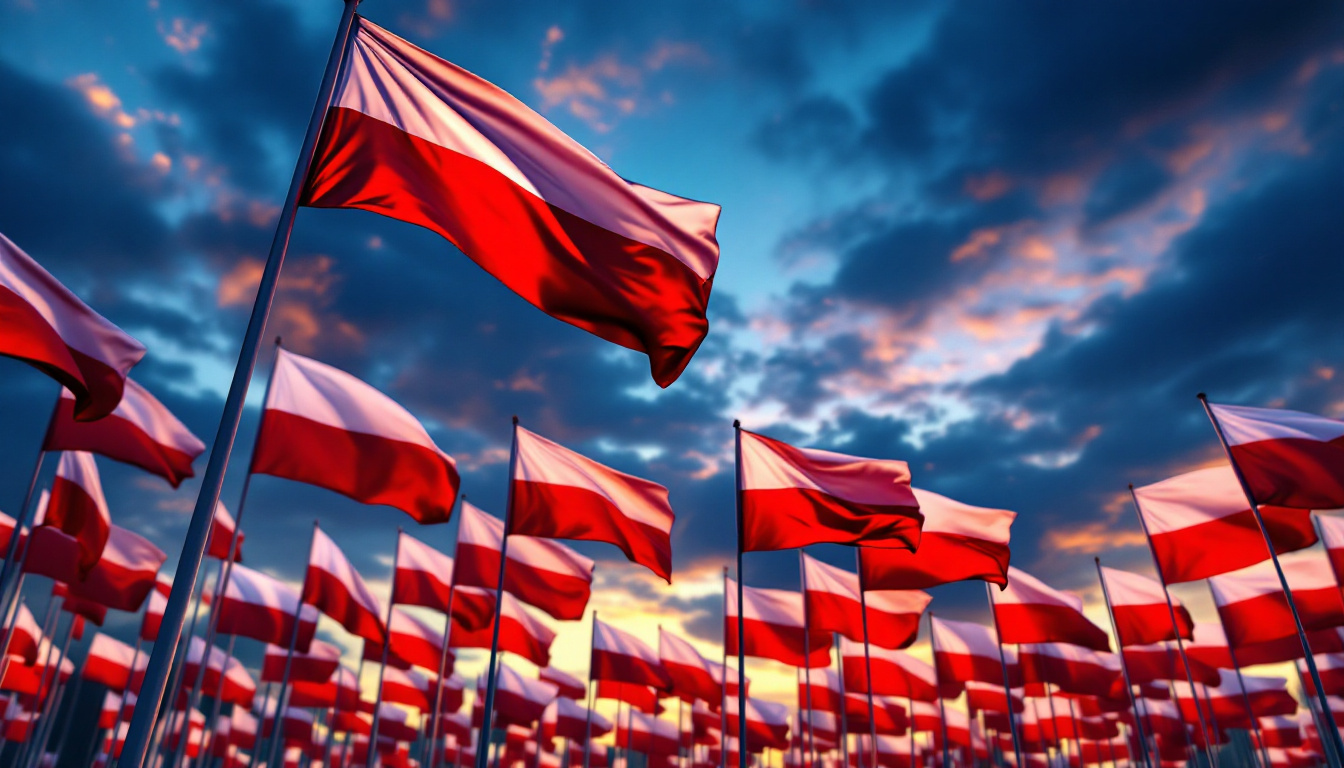
November 11 marks the 108th anniversary of Poland regaining sovereignty in 1918 after 123 years of partition. An estimated 250,000 people turned out in Warsaw. Organizers claimed the crowd exceeded half a million. Polish President Karol Nawrocki marched alongside families, veterans, and ordinary citizens waving Polish flags. This wasn't some fringe gathering in a parking lot. The country's head of state was there.
Reuters wasn't done after one bad post. They also published "Tight security as thousands gather for far-right Polish march," which described "thousands of far-right supporters, expected to include many from across Europe." That post pulled 194,615 views and 833 replies, most of them unfriendly. A Polish user named Mateusz Rogala responded: "Poles and Poles, families, communities, including the President. This is not far-right!" Another wrote: "Poles: 'We are proud of Poland!' Reuters: 'Tight security as thousands gather for far-right Polish march.'" The laugh emojis wrote the editorial for him.
Visegrád 24, the Central European news account with over two million followers, posted the reply that captured the whole farce: "Ah yes, Poles celebrating Poland's Independence is notoriously 'far right.'"
The framing tells you everything about how global media processes patriotism in 2026. A quarter-million citizens celebrating their nation's founding, led by their own president, gets reduced to a security threat with an ideological label. The word "far-right" wasn't a description. It was a warning label, slapped on a national holiday the way you'd tag a biohazard.
Reuters didn't call French riots "far-left violence." They don't tag Bastille Day as a "nationalist demonstration." The labeling runs in one direction, and everyone paying attention knows which direction that is. When media outlets use "far-right" as a synonym for "loves their country," the term stops meaning anything at all — which may be the point.
ZeroHedge reported on the ratio, noting that Reuters' characterization drew instant backlash across social media. The pattern is familiar: legacy outlet frames patriotism as extremism, the internet corrects the record in real time, and the outlet quietly softens the headline hours later while pretending the original never happened.
Poland restored its sovereignty 108 years ago after more than a century under foreign rule. On the anniversary, a global news wire looked at the celebration and saw a threat.
The post is still up. So is the community note.