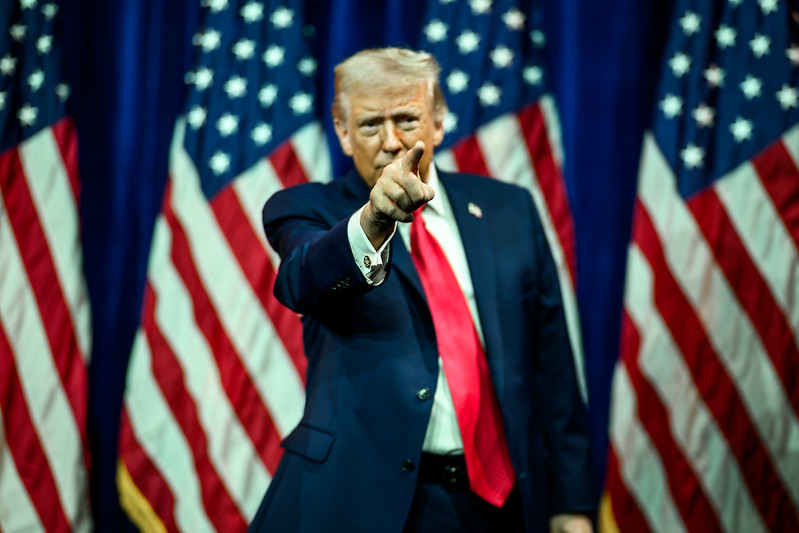

On October 8, President Trump made Iran an offer: "We will not be attacking Iran at any time prior to the Midterm Elections." The six-month war had stalled while negotiators talked. Trump gave Tehran a quiet month to make a deal.
Iran used it to shoot at American pilots.
On Monday night, the night before Americans voted, Iran's Revolutionary Guard fired surface-to-air missiles from Qeshm Island, its biggest base in the Strait of Hormuz. According to a U.S. official, they shot down an American drone and fired at two U.S. fighter jets, missing both. Iran also fired a missile from the island at commercial ships in the strait. U.S. forces shot it down.
That's when American jets went in. They hit the launch positions on Qeshm that the missiles had come from. Iranian state media reported five explosions in quick succession, with blasts heard as far away as Hengam Island and Bandar Abbas on the mainland. U.S. officials called it a "limited" and "defensive" strike.
The U.S. hit the missile launchers that had fired on Americans, and nothing else. There were no strikes on cities, oil fields or regime leadership.
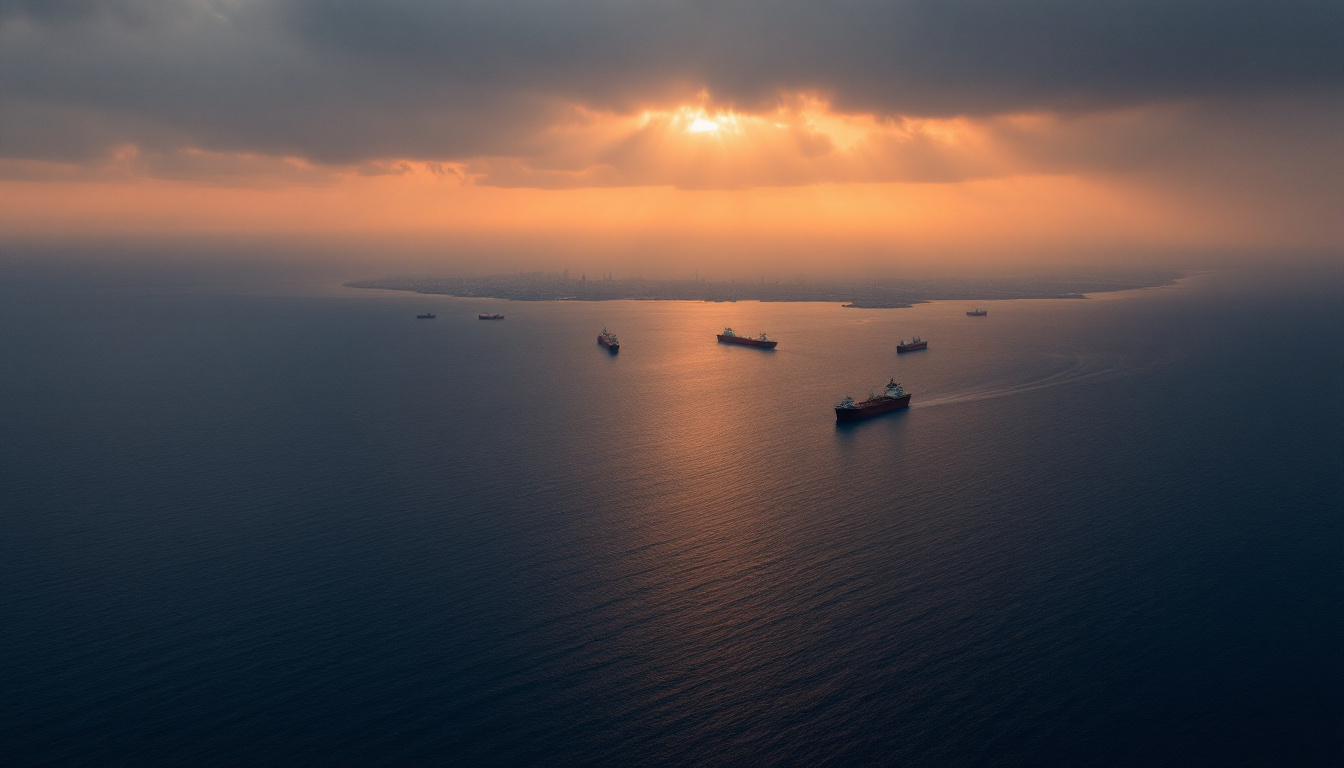
Qeshm wasn't chosen at random. It's the largest island in the Persian Gulf, and the IRGC has made it a fortress, with a major naval base, missile launchers and underground tunnels. From there, Iran can threaten every tanker moving through the Strait of Hormuz. About a fifth of the world's oil goes through that strait.
Iran has been doing that for months, firing on ships it says crossed without permission. The U.S. responded with a blockade of Iranian ports to cut off the oil money that pays for all of it.
Iran's reaction to the strike tells you how its leaders think. They didn't apologize for shooting at American aircraft. Parliament Speaker Mohammad Bagher Ghalibaf warned of "a new battlefield in the war" and said "the ball is in America's court to prevent war." Iran's state-linked press reported that the regime had updated its "target bank" to include American bases in Europe. Foreign Minister Abbas Araghchi said any further U.S. action would bring a response "far harsher and more regretful than before."
Iran fired first. Now it's threatening Germany, Italy and Britain because America fired back.
On this side of the Atlantic, the response was predictable. Some on the left looked at a strike the night before an election and saw politics. That reading only works if you ignore the missiles that were fired at American pilots first. Trump made a promise. Iran tested whether he'd keep his hands tied while it shot at his aircraft, and he didn't.
The talks aren't dead. American and Iranian sources both say negotiations are still going on despite Monday's fire.
Iran should come away understanding that talking and shooting at the same time doesn't work. Trump offered a month of quiet, and Iran ended it.