

Until last Sunday, a student in California classified as an "English learner" had to pass a set of tests and benchmarks before exiting the program and moving into regular instruction. Multiple assessments. Demonstrated proficiency. The kind of thing you'd expect from a state that supposedly cares about educational outcomes.
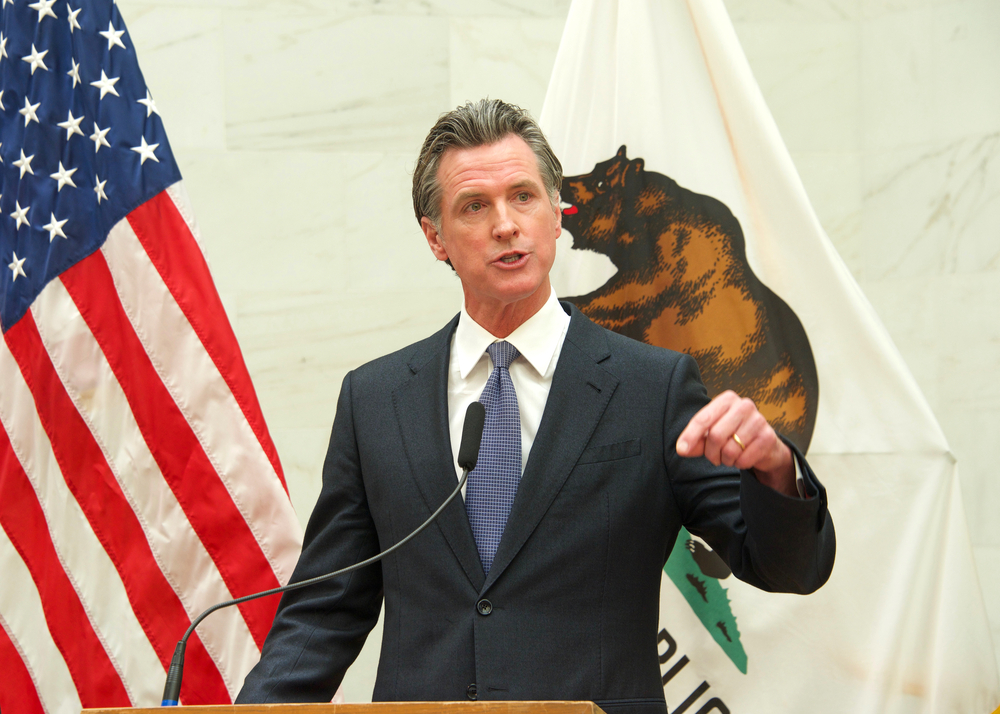
Governor Gavin Newsom signed that away with one stroke.
The new law — signed Sunday, September 27th — replaces the old multi-test system with a single state-approved English assessment. Pass one test, you're out of the program. Roughly one million California students are currently designated as English learners, and every one of them just had the bar lowered on what it takes to be considered proficient in the language their textbooks, their job applications, and their country's legal system are written in.
Newsom's office and supporters of the bill frame this as a fix for a broken system. Their argument: students were being held in the English learner track for months or even years after they'd already mastered the language, trapped by redundant testing requirements. The old system, they say, was holding kids back.
Except the solution to "too much testing" isn't "barely any testing." If students were stuck in the program after mastering English, the answer is to fix the reclassification timeline — not to gut the proficiency standard itself. Replacing a multi-benchmark system with a single assessment doesn't free kids who already speak English. It reclassifies kids who don't.
And that's the part nobody in Sacramento wants to say out loud. California doesn't have a million English learners because the testing was too strict. It has a million English learners because the state has spent decades absorbing an immigration population it refuses to assimilate. The English learner backlog is a downstream symptom of a border and immigration policy that treats language acquisition as optional.
This is the same governor who runs a state where entire school districts conduct parent-teacher conferences through translators, where government forms come in dozens of languages, where the infrastructure of daily civic life has been rebuilt around the assumption that English is just one option on the menu. The testing requirement was one of the last institutional nudges that said: at some point, you do need to speak the language.
Now even that nudge is gone.
The practical effect is predictable. Students who would have spent another semester building actual fluency will instead be reclassified as proficient on the strength of a single exam and dropped into mainstream classes where they'll struggle silently. Teachers will have fewer tools to flag kids who need more time. And the state will get to report improved reclassification numbers — which is, of course, the point.
The change affects the roughly one million students currently in the English learner pipeline. That's one out of every six public school students in California.
One in six. And the governor just made it easier for the system to stop trying.
The old requirement wasn't perfect. No standardized testing regime ever is. But it operated on a simple premise: before we certify that a child can function in English, we should probably check more than once. Newsom's California has decided that one check is plenty — and that if the results still look bad, the answer is to stop looking.
A million kids in a system that was already struggling to teach them English. The state's response: make the definition of "success" easier to hit.