

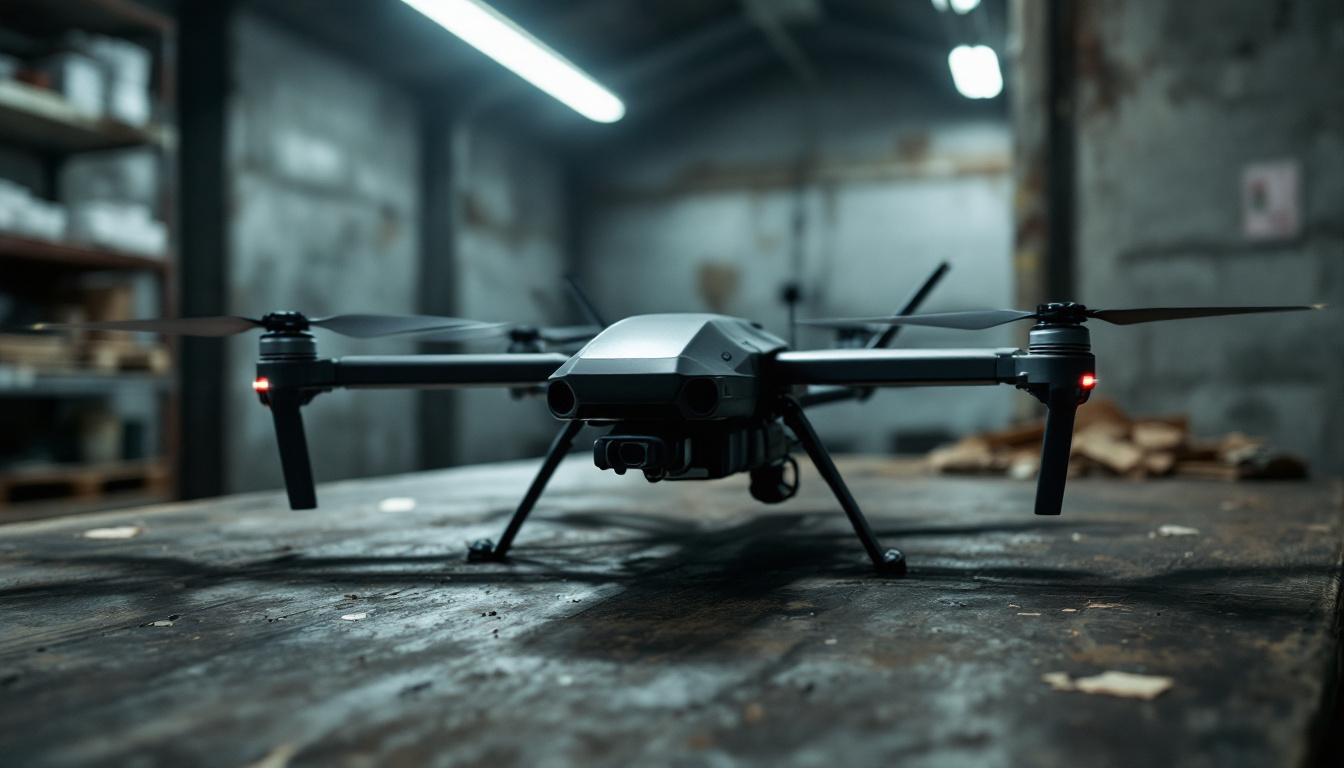
Mexican authorities operating near Mazatlan, Sinaloa, seized 15 high-end combat drones from the Sinaloa Cartel — along with 42 improvised explosive devices in the same operation. One day later, Sinaloa State Police found 80 additional explosive devices in a follow-up sweep.
These aren't the consumer quadcopters you can buy at Best Buy.
These drones use fiber optic wires that make them resistant to electronic jamming — the same technology deployed on battlefields in the Russia-Ukraine war. The operators pilot them using VR headsets. The cartel didn't buy surveillance toys. They acquired a weapons system.
The escalation timeline is worth understanding. Cartels started with off-the-shelf commercial drones for basic surveillance — tracking law enforcement movements, scouting rival territory. Then they figured out how to strap improvised explosive devices to them. Now they've jumped to state-of-the-art fiber-optic combat platforms that military forces struggle to counter. Mexican cartel members have reportedly been training in Ukraine on drone warfare tactics. They went to an active war zone to learn how to fight better.
Security forces have reportedly found 15 drones and 122 explosive devices in a single corridor near Mazatlan. That's one city. The Mexican Military and the Mexican National Security Cabinet handled the seizures, but the math suggests this is what they caught — not what exists.
According to CBP data, cartels flew approximately 42,000 drones near the U.S. border in fiscal year 2025 alone. The Gulf Cartel has already fired on U.S. Coast Guard boats operating in the Rio Grande. Hundreds of U.S. military troops have been deployed to the border region in response to escalating cartel aggression. The organizations that control drug trafficking corridors into Arizona, Texas, and California now possess the same drone warfare capability that reshaped a European ground war.
The "it's a Mexican problem" framing collapses the moment you look at a map. Mazatlan is roughly 600 miles from the Arizona border. A fiber-optic drone doesn't need a passport. And the cartels flying 42,000 sorties a year along our border weren't doing it because they enjoy the scenery — they were mapping vulnerabilities, testing response times, and moving product.
Every year Washington spends debating whether border security is a "manufactured crisis," the organizations on the other side of that border get more sophisticated. They went from scouts to bombers to combat-grade unmanned weapons platforms in under a decade. They're sending operators to train in an actual shooting war.